
For high-volume metal parts, metal stamping and CNC machining are often competing options. The right choice hinges on volume, part geometry and how much up-front tooling cost you can absorb.
Whether that volume justifies a die at all is arithmetic, and our stamping vs laser cutting guide works it through with a break-even formula.
If the part reaches us as a casting, the location and depth rules change, and they are set out in our cast part marking guide.
Where the part is steel and the volume is high, the grade choice does most of the work: see our carbon steel stamping guide.
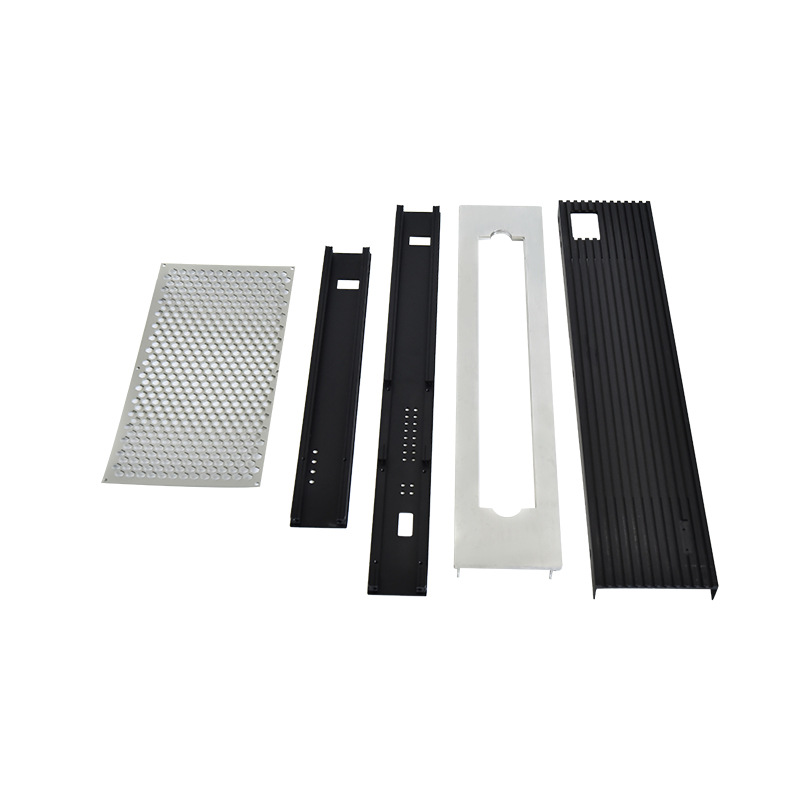
How Each Process Works
Stamping uses a hardened die to cut or form sheet metal in a single press stroke, producing parts extremely fast. CNC machining removes material with rotating tools, one part at a time.
Volume & Tooling Economics
Stamping requires an up-front die investment but produces parts for pennies at high volume. Machining needs no tooling but has a higher per-part cost, making it better for low-to-mid volumes. Our progressive die stamping guide breaks the tooling investment and break-even volume down station by station.
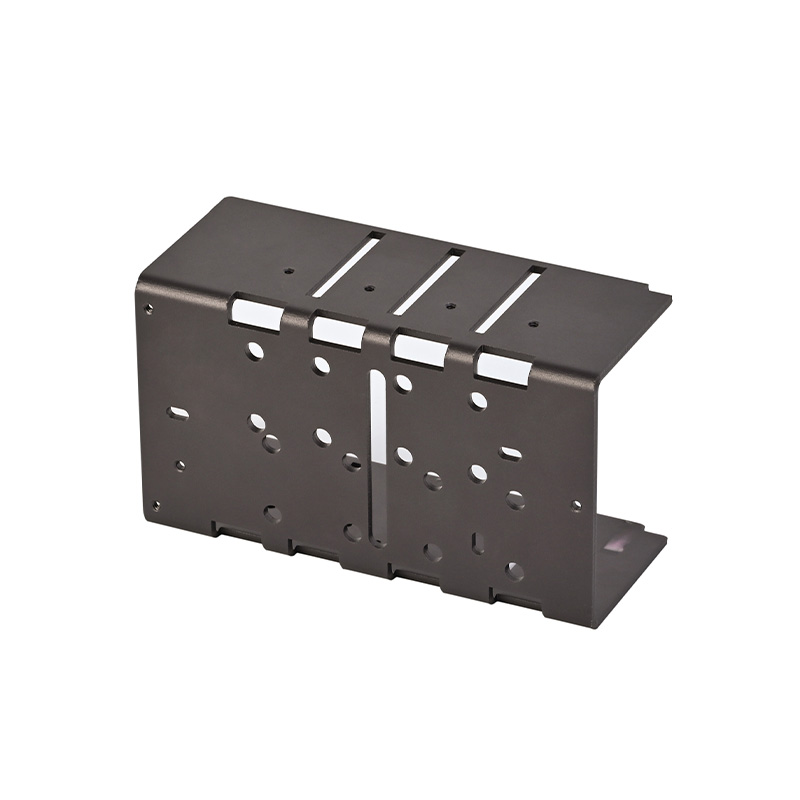
Precision & Complexity
Machining achieves tighter tolerances and complex 3D geometry. Stamping excels at thin, flat parts with consistent repeatability, though tolerances are generally looser.
Material Considerations
Stamping works best with sheet-formable materials such as steel, stainless and aluminum alloys. Machining handles virtually any metal, including hard and brittle alloys stamping cannot form.
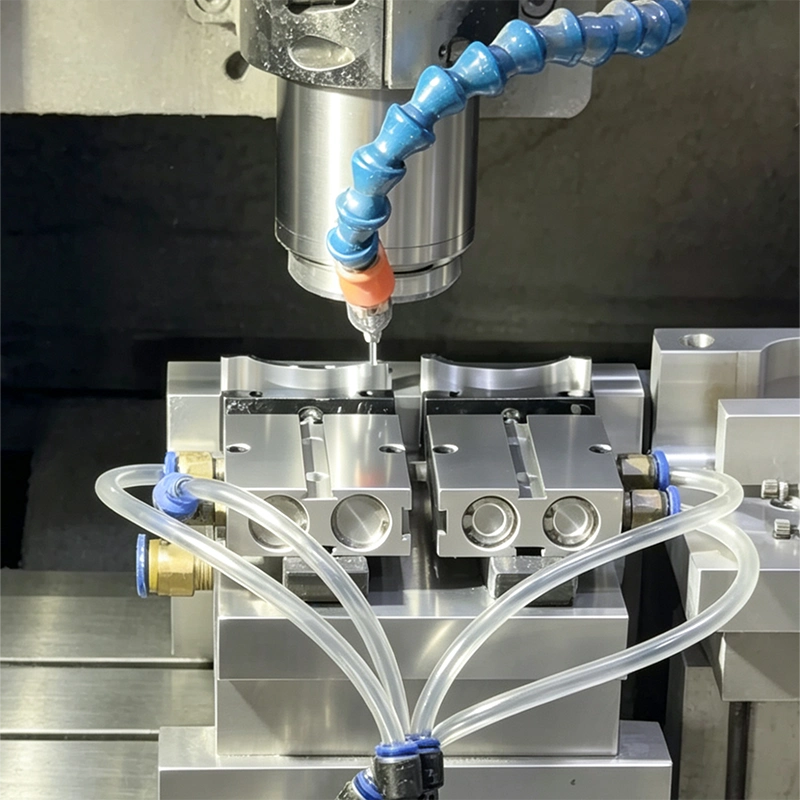
Making the Decision
Estimate total cost across your expected volume. If the die cost amortizes to less than machining per part, stamping wins. For prototypes and low volume, machining is almost always the answer.
Need a stamped or machined part? Send your drawing for a free DFM review and a quote within 24 hours.
FAQ
What CNC machining services does Ruijin CNC offer?
Ruijin CNC provides CNC turning, CNC milling (3-axis and 4-axis), 5-axis CNC machining, sheet metal fabrication, metal stamping, and surface treatment including anodizing, plating and powder coating.
What tolerances and certifications does Ruijin CNC hold?
We hold tight tolerances down to ±0.01mm across all processes, and are certified to IATF 16949, ISO 9001 and ISO 13485.
What is the minimum order quantity and lead time?
We accept prototypes from 1 piece with no strict MOQ, provide free DFM review, and return a quote within 24 hours of receiving your CAD drawing and requirements.
How do I get a quote from Ruijin CNC?
Send your STEP file and drawing to gongtianbao@xhlmarketing.com or via WhatsApp +86 17620300785. We reply with a DFM review and a firm quote within 24 hours.