

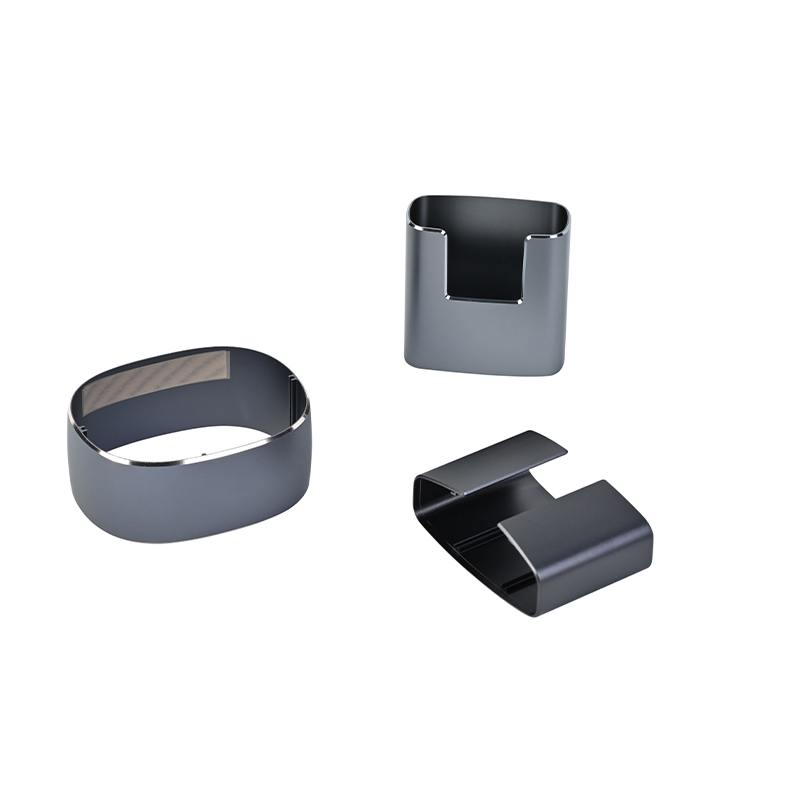
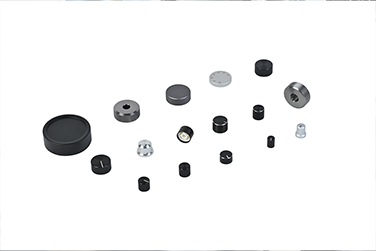
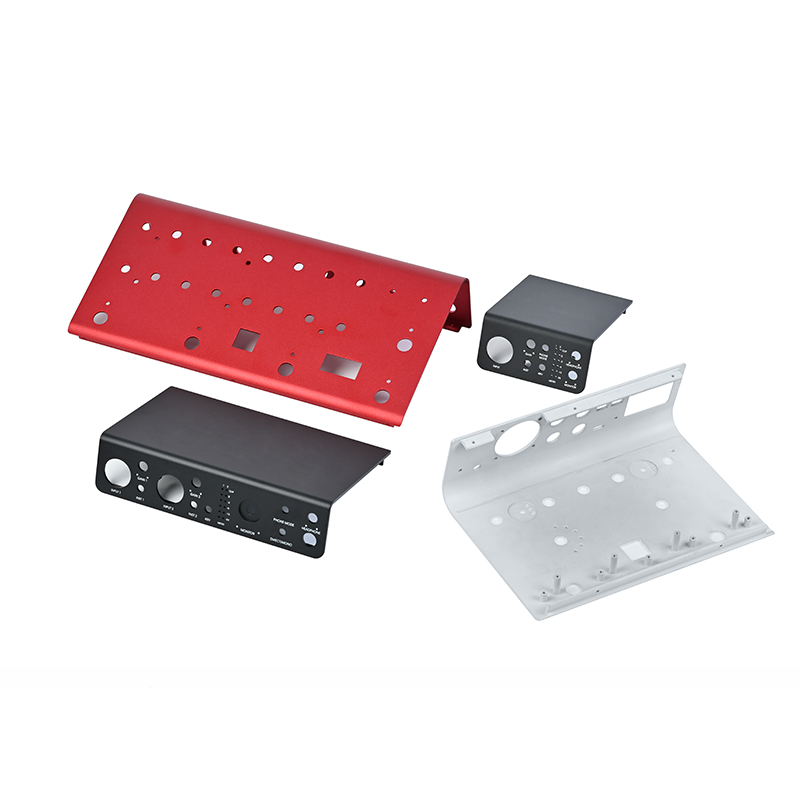
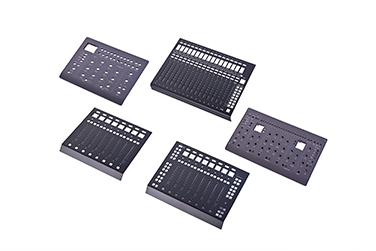
“Audio machined parts” is a broad buying phrase, but on the shop floor it splits into two very different jobs. Cosmetic parts — knobs, faceplates, decorative sheets, interface panels — are judged entirely on surface: colour consistency, brushed grain direction, edge break and the absence of chatter. Functional parts — driver housings, structural brackets, chassis and heat sink bodies — are judged on geometry: wall consistency, flatness on mating faces, bore fit and thermal path. Quoting the two the same way is the most common reason an audio programme overruns its budget, because the cosmetic half needs secondary operations and inspection time that the functional half does not.
“音频设备机加工零件”是个很宽泛的采购说法,但在车间里它分成两类完全不同的活。外观件——旋钮、面板、装饰片、接口面板——完全按表面评判:颜色一致性、拉丝纹路方向、倒角与无振刀纹。功能件——喇叭腔体、结构支架、机箱与散热体——则按几何评判:壁厚一致性、配合面平面度、孔轴配合与导热通路。用同一套方式给这两类报价,是音频项目超预算最常见的原因:外观那一半需要功能件不需要的二次加工与检验工时。
One clarification on terminology, because it causes unnecessary back-and-forth. In the RFQs we receive, audio machined components and audio machined parts are used interchangeably, and both mean the same thing on the shop floor: any part cut from solid stock rather than cast, stamped or moulded. What actually moves a quote is not which phrase appears in the email, but which side of the cosmetic-versus-functional split above the part falls on. So use whichever term your team prefers and send the drawing — the process route follows from the geometry, not the vocabulary.
术语上有一点需要说明,以免来回沟通绕弯路。我们收到的询价里,「音频设备机加工组件」与「音频设备机加工零件」是混用的,在车间里指代同一件事:凡是实心棒料或块料铣削出来的零件,而不是压铸、冲压或注塑成型的零件。真正影响报价的不是邮件里用了哪个说法,而是该零件属于上面说的「外观件」还是「功能件」。所以贵方习惯用哪个词都可以,直接把图纸发过来——工艺路线取决于几何形状,而不是措辞。
Material selection follows the same split. Aluminium 6063 is the default for anodised cosmetics: its lower alloying content gives a cleaner, brighter anodic layer and takes dye more evenly, which is what you want on a visible brushed aluminium audio panel. Aluminium 6061-T6 is the choice when threads, torque loads or structure matter — it is stronger and holds a thread better in repeated assembly. Stainless 304 covers wear surfaces and any product that sits near skin contact or cleaning agents. Brass is specified when mass is part of the design: the rotational inertia of a knob is a tactile specification, not an accident, and brass gives that weight in a small envelope.
材料选择遵循同一套逻辑。铝 6063 是阳极外观件的默认选择:合金元素含量更低,氧化膜更干净透亮、上色更均匀,这正是可见的拉丝铝音频面板所需要的。铝 6061-T6 则在有螺纹、扭矩载荷或结构承载要求时使用——强度更高,反复装配后螺纹保持性更好。不锈钢 304 用于耐磨面,以及任何贴近皮肤接触或需接触清洁剂的产品。黄铜则用在「重量本身就是设计的一部分」的场合:旋钮的转动惯量是一个触觉规格而非偶然,黄铜能在很小的体积内给出这种压手感。
Tolerance is where drawings most often over-specify. Ruijin holds ±0.01 mm as a standard machining tolerance, but on audio parts it is worth stating which surfaces actually need it. Knob bore-to-shaft fit is the one that genuinely does — a typical H7/g6 fit is the difference between a knob that indexes cleanly and one that wobbles. Panel flatness matters because it drives silk-print registration and how the panel sits against the chassis. Cosmetic outer surfaces rarely need anything tighter than a general profile tolerance, and calling them out at ±0.01 mm adds inspection time for no visible gain. Mark which faces are A-surfaces on the drawing and tolerance the rest functionally.
公差是图纸最容易过度标注的地方。锐金的标准加工公差是 ±0.01mm,但在音频零件上,值得明确写出哪些面真正需要它。旋钮孔与轴的配合是真正需要的——典型的 H7/g6 配合决定了旋钮是定位干脆还是晃动。面板平面度重要,是因为它决定丝印套位精度以及面板与机箱的贴合。外观外表面很少需要比一般轮廓公差更严的要求,把它们标到 ±0.01mm 只会增加检验工时而看不出任何收益。请在图纸上标出哪些面是 A 面,其余按功能标注。
Finishing sequence decides the final look, and it has to be specified in order: machine, deburr and edge-break, brush or vapour-blast, anodize, then mark. Laser marking after anodizing ablates the dye layer and leaves a light mark on a dark background; marking before anodizing leaves a dark mark sealed under the oxide. Both are legitimate, but they look completely different, and a drawing that simply says “laser mark logo” will get one of them by default. The same logic applies to anodizing aluminium for colour — batch-to-batch colour control needs a reference chip, not a verbal description.
表面处理顺序决定最终外观,必须按顺序写明:加工、去毛刺与倒角、拉丝或喷砂、阳极氧化、最后打标。阳极氧化之后激光打标会烧掉染料层,在深色底上留下浅色标记;氧化之前打标则留下封在氧化膜下的深色标记。两者都合理,但视觉完全不同,而只写「激光刻 LOGO」的图纸会被默认做其中一种。同样的逻辑也适用于铝阳极氧化的上色要求——批次间颜色管控需要标准色板,而不是口头描述。
Two functional details get missed most often. Driver housings and earphone shells are acoustic components: wall thickness variation shifts resonance, so specify wall tolerance rather than just outer geometry. And any enclosure expected to shield EMI must keep its mating faces conductive, which means anodize masks on those faces — a fully anodised chassis is an open seam from an RF point of view. Both are cheap to resolve at drawing stage and expensive to fix after the first article, which is why a DFM pass before quoting is worth more than any single tolerance callout. Whether you need earphone metal housings, machined audio knobs or a full amplifier front panel, the same five decisions — cosmetic versus functional, alloy, tolerance location, finishing order and acoustic geometry — determine whether the part quotes cleanly.
有两个功能细节最常被漏掉。喇叭腔体与耳机壳是声学部件:壁厚波动会改变共振,因此应标注壁厚公差而不只是外形尺寸。而任何要求屏蔽 EMI 的外壳,其配合面必须保持导电——这意味着这些面要做阳极氧化遮蔽,因为从射频角度看,全氧化的机箱就是一道敞开的缝隙。这两点在图纸阶段解决成本极低,在首件之后返工成本极高,所以报价前做一次 DFM 评审,价值高于任何单条公差标注。无论你需要的是耳机金属壳、机加工音频旋钮还是整套功放前面板,决定报价是否顺畅的都是同样五个选择:外观件还是功能件、合金牌号、公差位置、表面处理顺序与声学几何。