
Anodizing is an electrochemical process that grows a durable oxide layer on aluminum, dramatically improving corrosion resistance, hardness and appearance. It is the default finish for most machined aluminum parts.
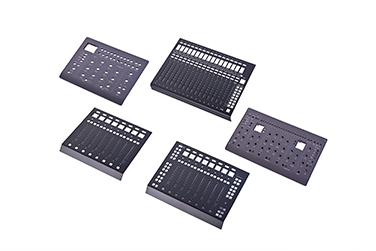
How Anodizing Works
The aluminum part is submerged in an acid bath and connected as the anode. An electric current grows a controlled oxide layer that bonds with the surface at the molecular level.
Type II vs Type III
Type II (sulfuric) anodizing is the standard decorative finish, offering a range of colors. Type III (hardcoat) produces a much thicker, harder layer for wear resistance in demanding applications.
Where the coating has to take wear, Type III changes the dimensions you machine to: our hard anodizing guide covers thickness, hardness and the fit changes to allow for.
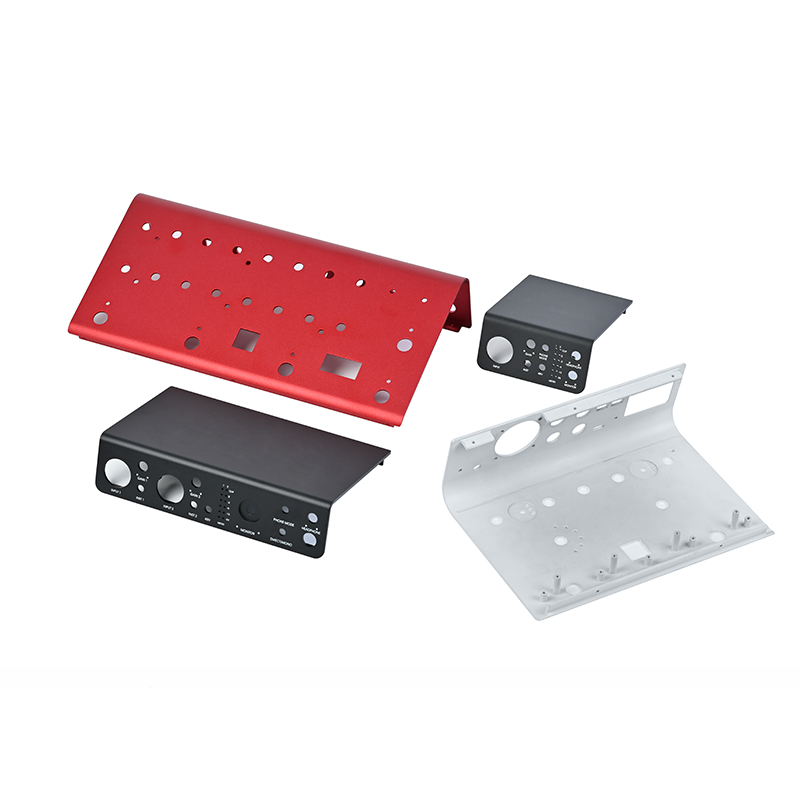
Color Options
Natural (clear), black, gold, red, blue, green and custom colors are all achievable. The same line produces the brushed finishes used on hi-fi faceplates — see our brushed aluminum audio panel guide. Dyes are absorbed into the porous oxide layer before sealing, producing uniform, durable color.
Benefits for Machined Parts
Anodizing improves corrosion and scratch resistance, provides electrical insulation, and enhances aesthetics. It does not peel or flake because the layer is grown from the metal itself.
Design Tips
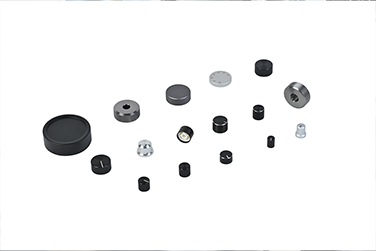
Mask threaded holes and tight-tolerance surfaces if they must not be coated. Be aware anodizing adds a small, predictable thickness that can affect press fits.
Choosing between part marking methods comes down to depth, substrate and coating. Our part marking methods comparison sets out all six with production numbers.
Need an anodized part? Send your drawing for a free DFM review and a quote within 24 hours.
FAQ
What CNC machining services does Ruijin CNC offer?
Ruijin CNC provides CNC turning, CNC milling (3-axis and 4-axis), 5-axis CNC machining, sheet metal fabrication, metal stamping, and surface treatment including anodizing, plating and powder coating.
What tolerances and certifications does Ruijin CNC hold?
We hold tight tolerances down to ±0.01mm across all processes, and are certified to IATF 16949, ISO 9001 and ISO 13485.
What is the minimum order quantity and lead time?
We accept prototypes from 1 piece with no strict MOQ, provide free DFM review, and return a quote within 24 hours of receiving your CAD drawing and requirements.
How do I get a quote from Ruijin CNC?
Send your STEP file and drawing to gongtianbao@xhlmarketing.com or via WhatsApp +86 17620300785. We reply with a DFM review and a firm quote within 24 hours.